
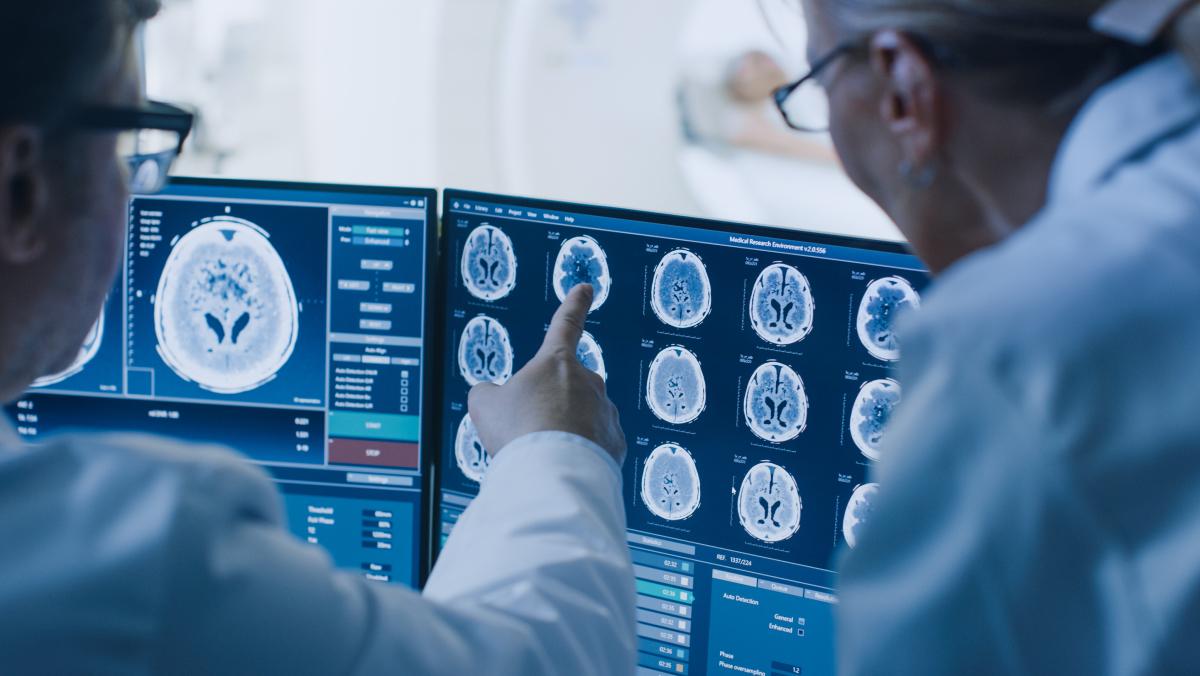
How to Understand Your Brain MRI Results
Learn how to understand brain MRI results, including common terms, tumor changes, contrast enhancement, BT-RADS, and what your report may mean.

Radiation Therapy vs. Chemotherapy for Brain Tumors
Compare radiation therapy vs. chemotherapy for brain tumors, including how each works, when they are used, side effects, and why both may be recommended.

Do Benign Tumors Need Chemotherapy?
Learn when benign brain tumors require chemotherapy, surgery, radiation, or monitoring, and how treatment decisions are made.

What Are the Symptoms of a Frontal Lobe Brain Tumor?
Learn the early symptoms of a frontal lobe brain tumor, how symptoms progress over time, and when to seek medical evaluation.
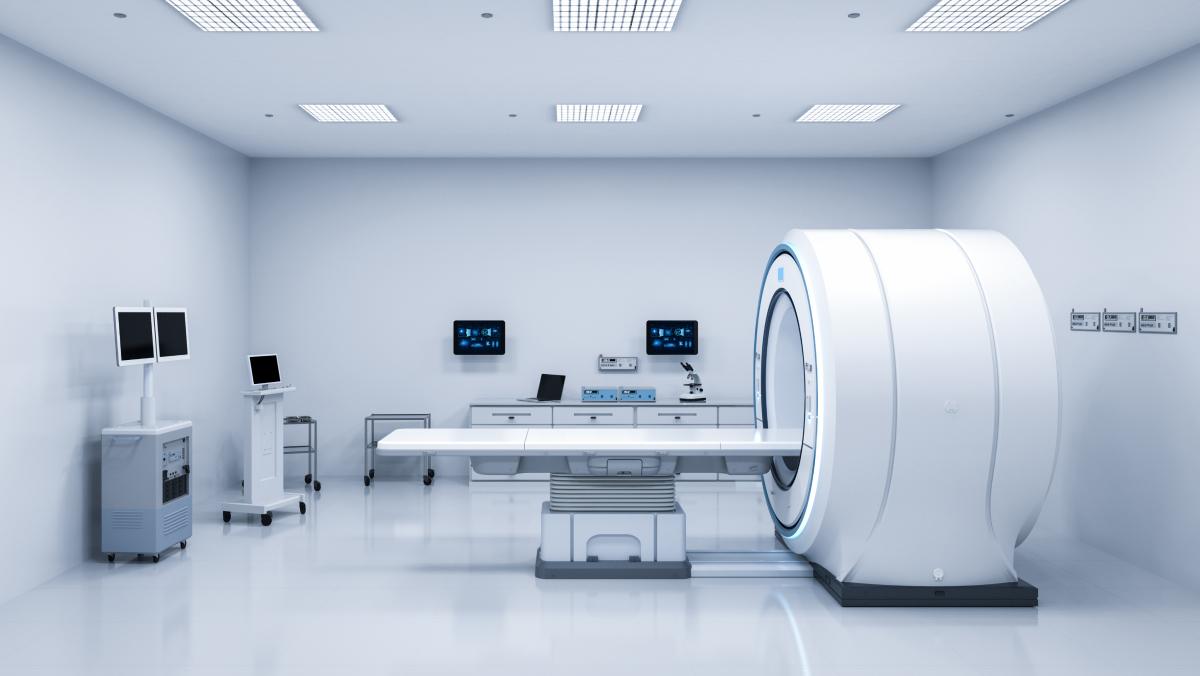
MRI vs CT Scan for Brain Imaging: Which Is Better?
Learn the differences between MRI and CT scans for brain imaging, including when each is recommended, advantages, limitations, and what patients can expect.

How a Doctor Monitors Herself for Glioblastoma and the No. 1 Most Common Symptom
A neuro-oncologist at the Duke Cancer Center Brain Tumor Clinic who treats patients with the most aggressive brain cancer shares the warning signs she looks for in her own body.

Glioma vs Glioblastoma
Learn the differences between glioma and glioblastoma, including symptoms, treatment options, prognosis, and what patients should know.
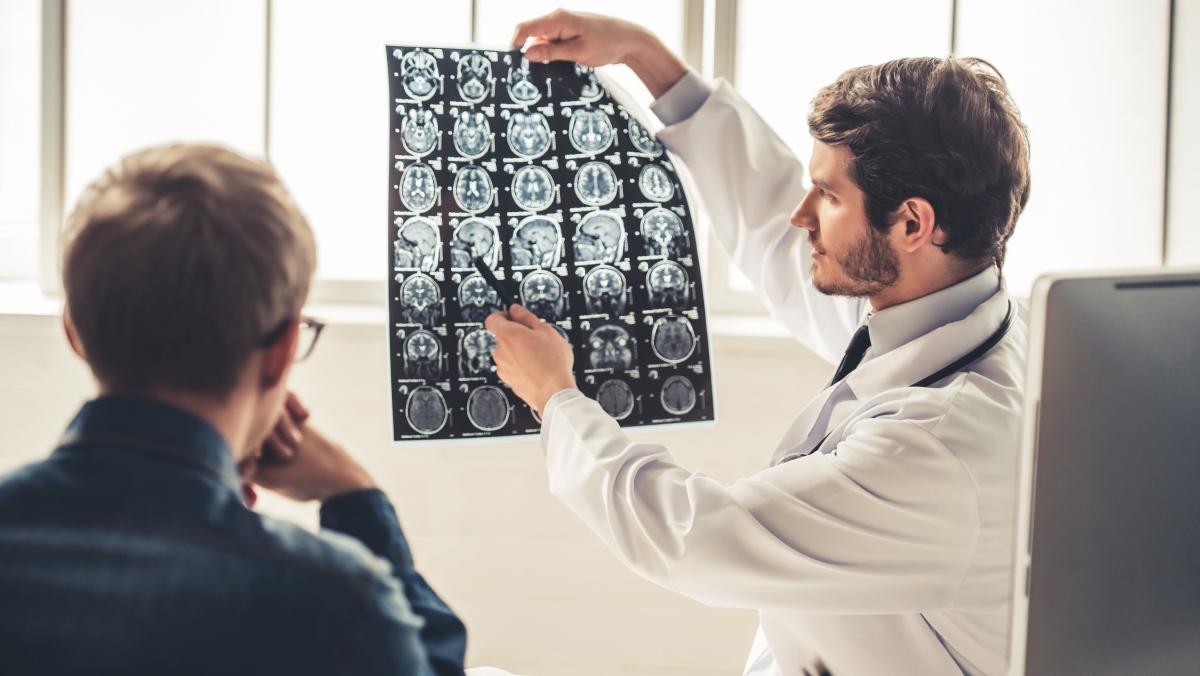
Glioblastoma Explained: Symptoms, Treatment, and Prognosis
Learn about glioblastoma symptoms, treatment options, prognosis, and what patients should know after a diagnosis of this aggressive brain tumor.
What Happens When the Brain Swells From Cancer?
Learn what causes brain swelling from cancer, common symptoms, treatment options, and when brain swelling becomes a medical emergency.

Brain Tumor Diet Tips: Foods for Brain Tumor Patients
A healthy brain tumor diet focuses on supporting strength, healing, and overall wellness during treatment and recovery.