
Glioblastoma Explained: Symptoms, Treatment, and Prognosis
Glioblastoma Explained: Symptoms, Treatment, and Prognosis
A glioblastoma diagnosis can feel overwhelming for patients and families. As one of the most aggressive forms of brain cancer, glioblastoma often raises urgent questions about symptoms, treatment options, survival expectations, and quality of life. While every patient's experience is unique, understanding the basics of glioblastoma can help patients make informed decisions and feel more prepared for the journey ahead.
Glioblastoma is the most common malignant primary brain tumor in adults. These tumors develop from glial cells called astrocytes, which normally help support and protect nerve cells in the brain. Because glioblastomas tend to grow and spread rapidly within brain tissue, early diagnosis and specialized treatment are essential.
Key Takeaways About Glioblastoma
- Glioblastoma is the most common aggressive malignant brain tumor in adults.
- Symptoms often include headaches, seizures, memory changes, and neurological deficits.
- Treatment typically involves surgery, radiation therapy, chemotherapy, and emerging therapies.
- Prognosis varies based on age, tumor characteristics, treatment response, and overall health.
- Ongoing research continues to improve treatment options and outcomes for patients with glioblastoma.
What Is Glioblastoma?
Glioblastoma is a fast-growing, high-grade brain tumor that develops from glial cells within the brain. It is classified as a Grade 4 glioma, meaning it is the most aggressive form of glioma and requires prompt medical treatment.
Glioblastomas can develop in different parts of the brain, though they are most commonly found in the cerebral hemispheres. These tumors are known for their ability to invade surrounding brain tissue, making them challenging to remove completely through surgery alone.
Although glioblastoma is relatively rare compared to other forms of cancer, it represents a significant portion of malignant brain tumors diagnosed in adults.
Glioblastoma Symptoms: What Are the Warning Signs?
The symptoms of glioblastoma often depend on the tumor's location, size, and growth rate. Because the brain controls many different functions, symptoms can vary widely from one patient to another.
Glioblastoma symptoms typically occur when the tumor begins affecting nearby brain tissue or increasing pressure inside the skull.
Common glioblastoma symptoms include:
- Persistent headaches
- Seizures
- Memory problems
- Difficulty concentrating
- Personality or behavioral changes
- Vision problems
- Speech difficulties
- Weakness or numbness
- Balance and coordination issues
- Nausea or vomiting
Some patients experience symptoms that develop gradually over weeks or months, while others notice a more rapid onset of neurological changes.
Headaches associated with brain tumors are often described as persistent and may worsen over time. However, headaches alone are rarely enough to diagnose a brain tumor since many common conditions can cause similar symptoms.
How Is Glioblastoma Diagnosed?
Diagnosing glioblastoma requires a combination of neurological evaluation, imaging studies, and tissue analysis.
Doctors may begin with a neurological examination to assess:
- Balance and coordination
- Reflexes
- Vision
- Speech
- Cognitive function
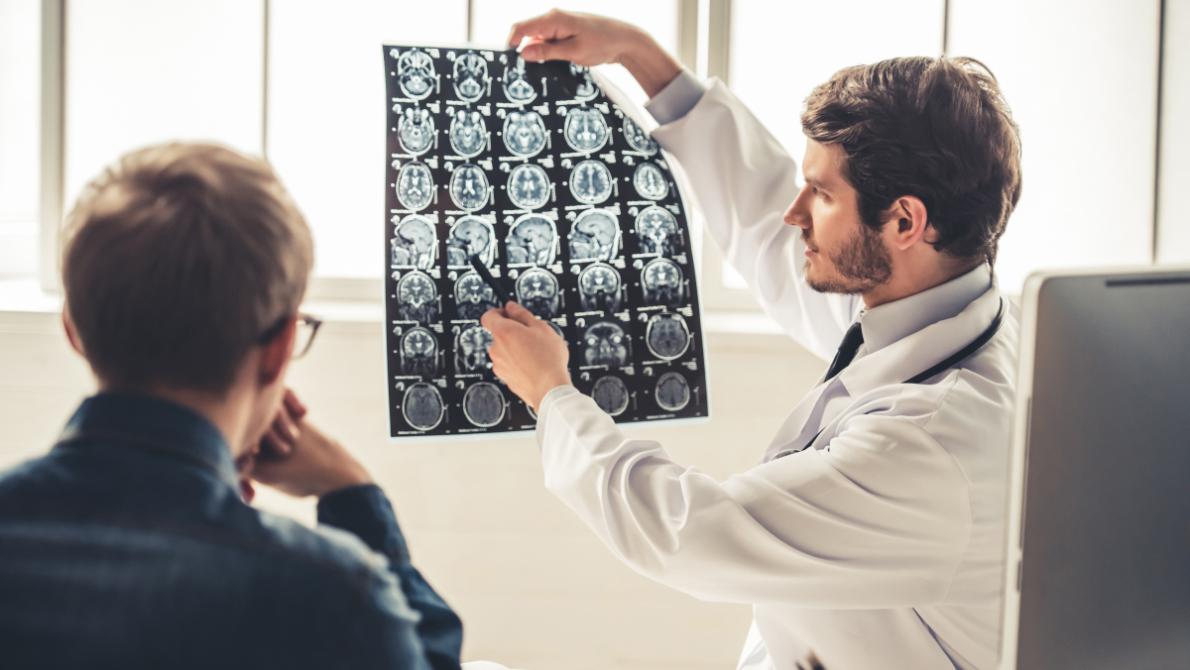
If a brain tumor is suspected, imaging studies such as MRI scans are typically performed. MRI remains one of the most valuable tools for identifying brain tumors and understanding their location and characteristics.
Following imaging, a biopsy or surgical removal procedure may be performed to confirm the diagnosis and determine the tumor's molecular characteristics.
These diagnostic findings help guide treatment decisions and provide important information about prognosis.
Understanding Glioblastoma Treatment Options
Glioblastoma treatment often involves a multidisciplinary approach that combines several therapies. Because these tumors can infiltrate healthy brain tissue, treatment plans are usually personalized for each patient.
Most glioblastoma treatment plans combine surgery, radiation therapy, and chemotherapy to control tumor growth and improve outcomes.
Surgery
Brain tumor surgery is often the first step in treatment when possible.
The goals of surgery may include:
- Removing as much of the tumor as safely possible
- Relieving pressure on the brain
- Obtaining tissue for diagnosis
- Improving symptoms
While complete removal is often difficult due to the tumor's invasive nature, surgical debulking can still play a critical role in treatment.
Radiation Therapy
Radiation therapy uses targeted radiation to destroy cancer cells and help slow tumor progression.
Radiation is commonly recommended after surgery because microscopic cancer cells may remain within surrounding brain tissue even after tumor removal.
Learn more about radiation treatment in:
Chemotherapy
Chemotherapy may be used alongside radiation therapy or afterward to help target remaining cancer cells.
Treatment plans vary based on the patient's overall health, tumor characteristics, and treatment goals.
Emerging Therapies
Research continues to explore innovative treatment approaches for glioblastoma, including:
- Immunotherapy
- Targeted therapies
- Tumor-treating fields
- Clinical trials
- Personalized treatment approaches
These advancements offer hope for improving outcomes and expanding treatment options for future patients.
What Is the Prognosis for Glioblastoma?
Glioblastoma prognosis varies significantly between patients and depends on factors such as age, overall health, tumor biology, treatment response, and genetic characteristics.
While glioblastoma remains one of the most challenging brain cancers to treat, survival statistics do not predict individual outcomes. Some patients respond exceptionally well to treatment and live longer than expected.
Several factors may influence prognosis:
- Age at diagnosis
- Tumor location
- Extent of surgical removal
- Molecular markers
- Overall health
- Access to specialized care
Because treatment approaches continue to evolve, survival outcomes today may differ from historical statistics.
Living With Glioblastoma
A glioblastoma diagnosis affects more than physical health. Patients often experience emotional, cognitive, and lifestyle challenges throughout treatment and recovery.
Living with glioblastoma often requires ongoing medical care, rehabilitation, emotional support, and symptom management.
Patients may experience:
- Fatigue
- Cognitive changes
- Anxiety
- Depression
- Changes in independence
- Financial concerns
- Family caregiving challenges
Supportive care services can help patients maintain quality of life while navigating treatment.
These services may include:
- Physical therapy
- Occupational therapy
- Speech therapy
- Nutritional counseling
- Mental health support
- Palliative care
A comprehensive care team can help address both medical and quality-of-life concerns.
Why Specialized Brain Tumor Care Matters
Because glioblastoma is a complex disease, treatment by an experienced multidisciplinary brain tumor team can be important for both treatment planning and long-term management.
Specialized centers often provide access to:
- Neuro-oncology experts
- Advanced surgical techniques
- Clinical trials
- Precision medicine approaches
- Comprehensive supportive care
Patients may also benefit from second opinions and consultations with providers who focus specifically on brain tumor treatment.
How Research Is Advancing Glioblastoma Treatment
While glioblastoma remains one of the most challenging brain tumors to treat, ongoing research continues to create new opportunities for patients. Scientists and physicians are working to better understand how glioblastoma grows, spreads, and responds to treatment, leading to the development of more personalized and targeted approaches.
At The Preston Robert Tisch Brain Tumor Center at Duke, researchers are actively investigating innovative therapies designed to improve outcomes for patients with recurrent and newly diagnosed glioblastoma. Recent efforts include immunotherapy-based treatments, targeted therapies, and advanced monitoring technologies that may help physicians better understand how tumors evolve during treatment.
One example is Duke's recently launched Phase 1 clinical trial evaluating an FDA Breakthrough Device designed for real-time monitoring of recurrent glioblastoma. The investigational device allows clinicians to obtain repeated samples of tumor tissue during treatment without requiring multiple brain surgeries, potentially providing new insights into how glioblastoma responds to therapy and develops resistance over time. The trial also combines this monitoring technology with investigational immunotherapies delivered directly into the tumor.
For patients and families facing a glioblastoma diagnosis, ongoing clinical research offers hope that future treatments may become more effective, more personalized, and less invasive.
Comprehensive Glioblastoma Care at Duke
The specialists at The Preston Robert Tisch Brain Tumor Center at Duke provide comprehensive care for patients with glioblastoma and other complex brain tumors. Through advanced diagnostics, innovative treatment approaches, clinical research opportunities, and multidisciplinary care, patients receive individualized treatment plans designed to support both outcomes and quality of life.
Whether newly diagnosed or seeking additional treatment options, patients and families can benefit from working with experienced neuro-oncology specialists who understand the unique challenges associated with glioblastoma.
Explore related articles on our blog:
- Radiation Therapy vs Chemotherapy
- Glioma vs Glioblastoma
- Understanding the Link Between Glioblastoma Brain Tumors and Epilepsy
FAQs: Glioblastoma Explained: Symptoms, Treatment, and Prognosis
Is glioblastoma the same as brain cancer?
Glioblastoma is a type of brain cancer, but not all brain cancers are glioblastomas. Glioblastoma specifically refers to a Grade 4 glioma that develops from glial cells in the brain. It is considered one of the most aggressive primary brain tumors in adults.
What are the first symptoms of glioblastoma?
Early glioblastoma symptoms often include headaches, seizures, memory difficulties, concentration problems, or personality changes. Symptoms vary depending on where the tumor develops within the brain. Some patients experience gradual changes, while others notice symptoms more suddenly.
Can glioblastoma be cured?
Currently, there is no guaranteed cure for glioblastoma. However, surgery, radiation therapy, chemotherapy, and emerging treatments can help manage the disease and improve quality of life. Research continues to advance treatment options and provide new hope for patients.
How quickly does glioblastoma grow?
Glioblastoma is considered a fast-growing brain tumor. Growth rates vary among patients, but these tumors typically progress more rapidly than lower-grade gliomas. Early diagnosis and treatment are important because of their aggressive nature.