
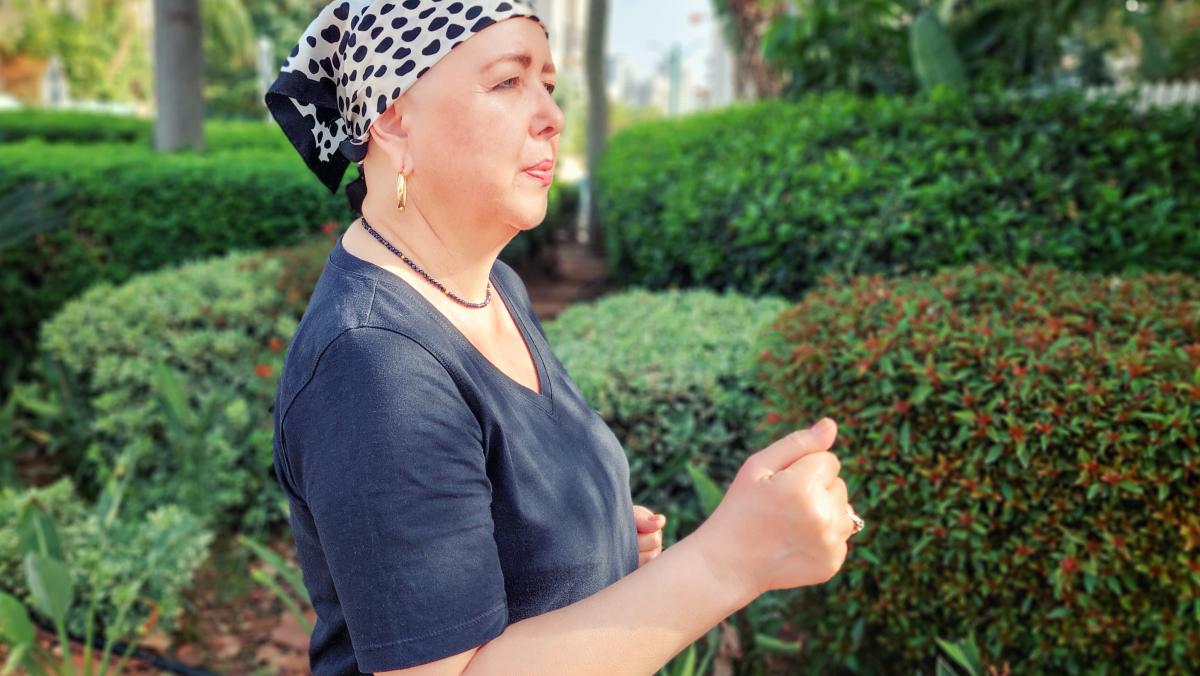
How Brain Cancer Affects Daily Life
Brain cancer can affect daily life through fatigue, memory problems, emotional changes, balance issues, and reduced independence. Symptoms and challenges vary by patient and treatment.

How Long Before Brain Tumor Symptoms Show?
Brain tumors can go undetected for months or years. Learn early brain tumor symptoms, warning signs, and when to seek medical evaluation.

Brain Tumor Awareness Month: The Power of Hope for Patients with Brain Tumors
A powerful Brain Tumor Awareness Month conversation with Dr. Henry Friedman highlights hope, progress and patient-centered care for people facing brain tumor diagnoses.

The heart behind the badge: a conversation with DAISY Award® nurse
Rosemary Ketring, BSN, RN, OCN, is a Clinical Research Nurse Coordinator at Duke University Hospital whose compassion, dedication, and impact have touched countless lives. In this conversation, she reflects on the moments, patients, and purpose that have shaped her nursing journey.
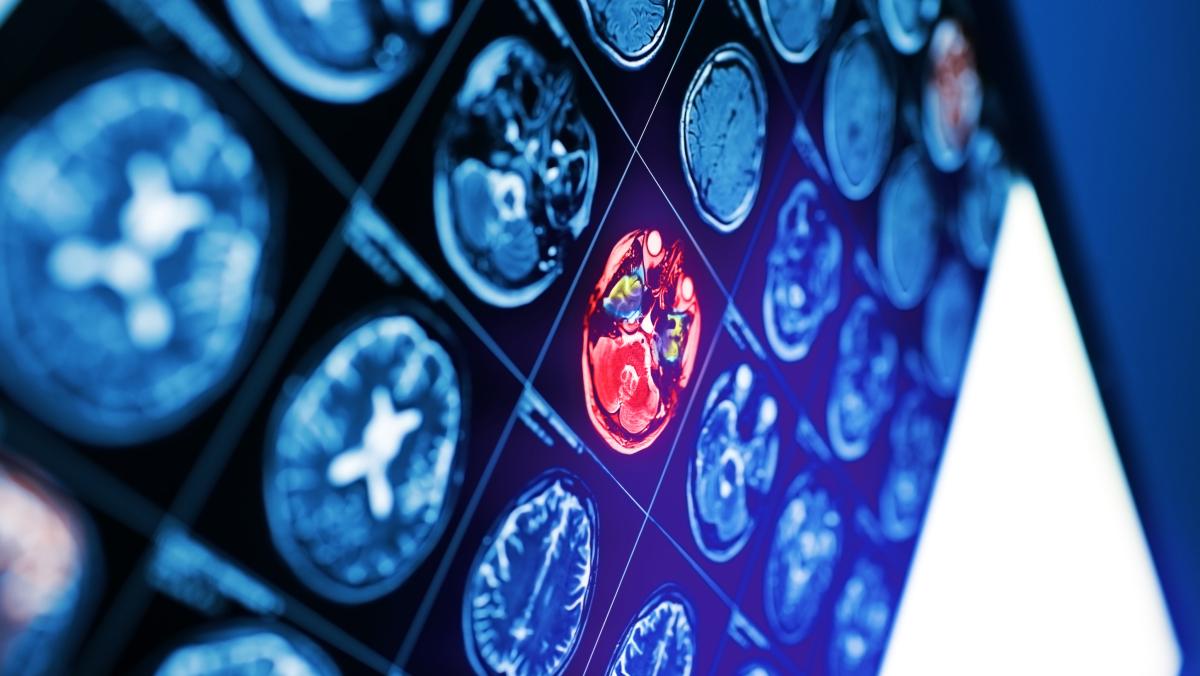
What Are The Red Flags For Brain Tumors?
Brain tumor symptoms vary but may include headaches, seizures, vision changes, and cognitive issues. Early detection is important when symptoms persist or worsen.

Brain Cancer Survival Rates: What Patients Need to Know
Brain cancer survival rates vary by tumor type, grade, and patient factors. Understanding prognosis helps guide treatment decisions and expectations.

Benign Brain Tumor: Symptoms, Diagnosis, and Treatment
A benign brain tumor is non cancerous but can still cause symptoms depending on size and location. Treatment ranges from monitoring to surgery based on individual needs.

Are Brain Tumors Hereditary?
Most brain tumors are not hereditary, but certain genetic conditions can increase risk. Understanding family history and genetic factors helps guide screening and care decisions.

The Role of Therapy in Managing Mental Health for Brain Tumor Patients
Therapy helps brain tumor patients manage anxiety, depression, and stress by providing coping strategies, emotional support, and tools to improve quality of life throughout treatment and recovery.

Sleep and Brain Tumor Patients: Tips for Better Rest
Sleep problems are common after brain tumor treatment. Improving sleep involves managing symptoms, building routines, and creating a restful environment to support recovery.