
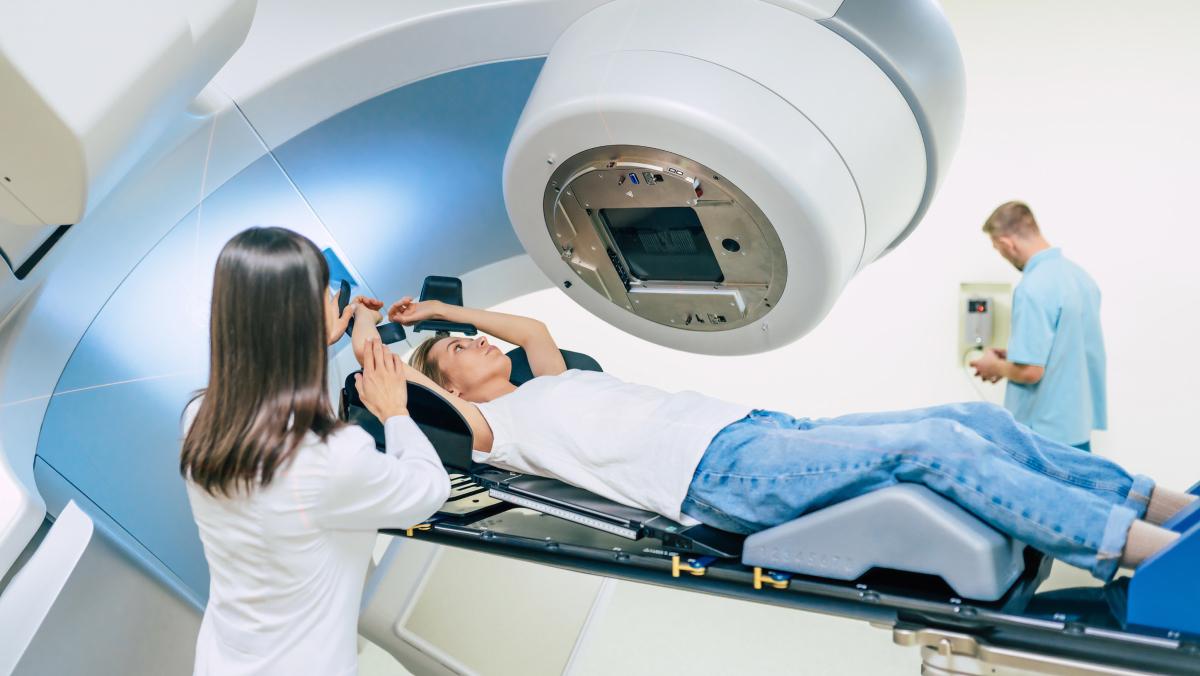
Immunotherapy, Chemotherapy, Radiation Therapy: Differences Explained
Explore the differences between immunotherapy, chemotherapy, and radiation therapy, how each works, and their roles in brain tumor treatment at Duke’s Tisch Brain Tumor Center.

Warning Signs of a Brain Tumor in Kids
Learn the warning signs of brain tumors in children, when to seek evaluation, and how Duke’s Pediatric Neuro-Oncology Program supports diagnosis, treatment, and recovery.

What Happens When a Brain Tumor Is Removed?
Learn what to expect before, during, and after brain tumor removal surgery, including recovery insights, post-operative care, and how specialists at Duke’s Tisch Brain Tumor Center support patients.

Ostrom among Highly Cited Researchers for the sixth year
Duke Neurosurgery faculty member Quinn Ostrom, PhD, is featured on the Clarivate list of Highly Cited Researchers for the sixth time since 2020.
A total of 31 Duke scholars made the 2025 list of Highly Cited Researchers. See the list and learn more here.

What are the Different Brain Tumor Grades?
Ever wonder what the different brain tumor grades are and what they mean? Get expert insights from the specialists at The Preston Robert Tisch Brain Tumor Center.

Brain Tumor Removal Recovery Tips
Recover safely after brain tumor removal with expert tips from Duke’s neuro-oncology team. Learn how to rebuild strength, manage symptoms, and regain confidence.

The Importance of Brain Tumor Research
Brain tumor research holds the key for discovering new ways to address and treat brain tumors. Learn about the importance of brain tumor research and how you can play a role today.

A Mother’s Gift Honors Her Daughter and Fuels Brain Tumor Research at Duke
Carole and Richard Ryan experienced immeasurable joy through their only child, Suzanne, and created a fund in her memory to support brain tumor research at Duke after she passed away in 2010.

Pediatric Brain Tumors: What You Need To Know
Pediatric brain tumors is a field that is dynamic and constantly changing. From new ways of detection to advanced treatment plans, here’s what you need to know about pediatric brain tumors.
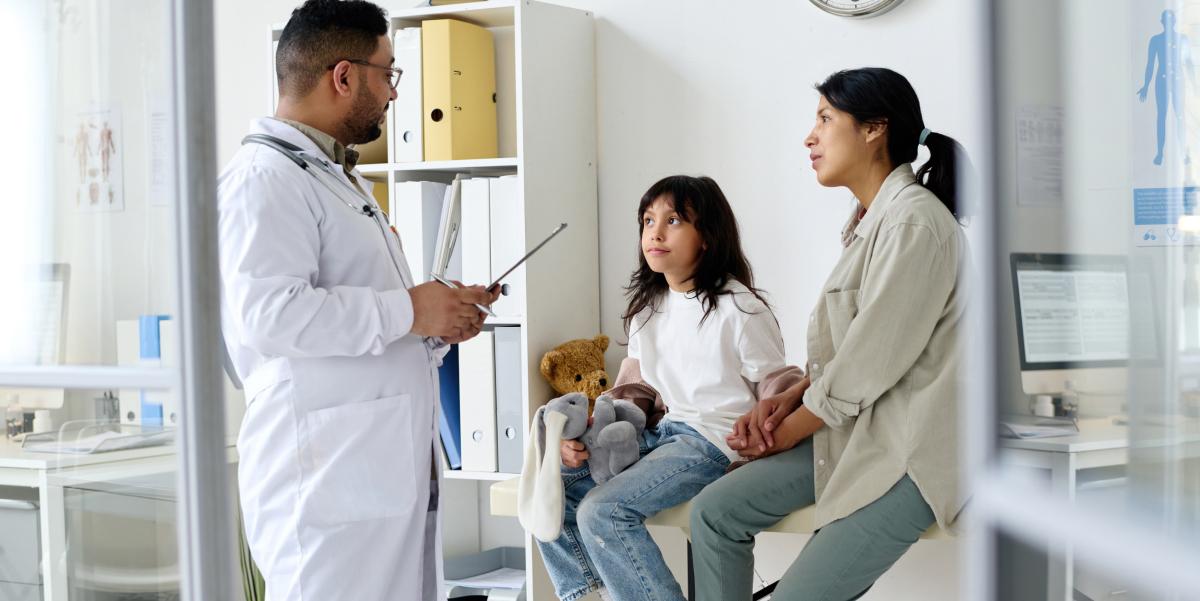
How Patients Can Find and Participate in Brain Tumor Research
How Patients Can Find and Participate in Brain Tumor Research
When you or a loved one is diagnosed with a brain tumor, the journey ahead may feel overwhelming. Standard treatments such as surgery, chemotherapy, and radiation can play critical roles, but many patients also look to research opportunities for hope. Clinical trials and brain tumor research studies often provide access to innovative therapies not yet widely available, giving patients additional options.