
Brain Tumor Diet Tips: Foods for Brain Tumor Patients
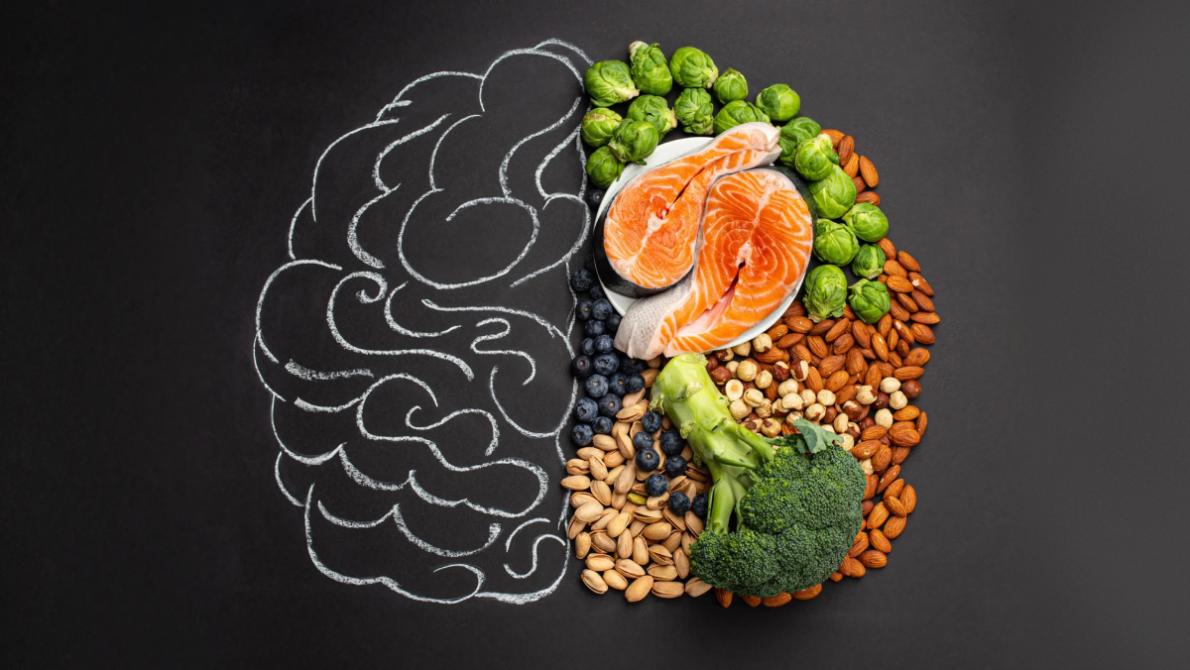
Brain Tumor Diet and Nutrition: Foods That Support Recovery and Wellness
A healthy diet plays an important role in supporting the body during and after brain tumor treatment. While nutrition alone cannot cure a brain tumor, eating balanced, nutrient-dense foods may help patients maintain strength, manage side effects, support healing, and improve overall quality of life throughout treatment and recovery.
Many patients and caregivers search for guidance about the best foods for brain tumor patients, especially during chemotherapy, radiation therapy, immunotherapy, or recovery after surgery. Because treatment affects every person differently, nutrition plans should always be individualized with guidance from a healthcare provider or registered dietitian. However, there are several evidence-based nutrition strategies that may help support overall wellness during treatment.
Key Takeaways: Brain Tumor Diet and Nutrition
- A balanced brain tumor diet focuses on nutrient-dense foods that support healing, energy, and immune function.
- Protein, healthy fats, fruits, vegetables, and hydration are especially important during treatment and recovery.
- Side effects from treatment may affect appetite, taste, digestion, and energy levels.
- Patients should avoid restrictive or fad diets unless recommended by their medical team.
- Working with specialists experienced in neuro-oncology nutrition can help patients develop a sustainable eating plan.
What Should Brain Tumor Patients Eat?
Brain tumor patients are often encouraged to focus on foods that support overall health, strength, and recovery. In general, the best foods for brain tumor patients are nutrient-rich, easy to tolerate, and capable of helping the body maintain energy during treatment.
A balanced nutrition plan may include:
- Lean proteins such as chicken, fish, eggs, beans, tofu, and Greek yogurt
- Healthy fats from avocados, nuts, seeds, olive oil, and fatty fish
- Fruits and vegetables rich in vitamins, antioxidants, and fiber
- Whole grains such as oats, brown rice, and quinoa
- Hydrating foods and fluids to support hydration and energy
Patients recovering from surgery or undergoing active treatment may need additional calories or protein to help maintain muscle mass and support tissue healing. Nutritional needs can also change depending on treatment type, medications, symptoms, and overall health.
Rather than focusing on restrictive eating patterns or trending diets, most specialists recommend emphasizing consistency, nourishment, and sustainable eating habits.
Why Nutrition Matters During Brain Tumor Treatment
Nutrition is closely connected to how the body responds to treatment and recovery. Brain tumor therapies can place significant physical stress on the body, making proper nutrition especially important.
A healthy brain tumor diet may help support:
- Energy levels during treatment
- Immune system function
- Muscle maintenance and strength
- Wound healing after surgery
- Management of treatment-related side effects
- Overall quality of life
Some treatments may also increase calorie or protein needs. For example, patients recovering from surgery often require additional nutrients to help support tissue repair and healing. Chemotherapy and radiation therapy may also affect appetite, digestion, and hydration.
The care team at The Preston Robert Tisch Brain Tumor Center at Duke often works closely with patients to address the physical and nutritional challenges that can arise throughout treatment and recovery.
How Brain Tumor Treatment Can Affect Eating Habits
Brain tumor treatment may change how patients eat, tolerate food, or experience hunger. These changes can vary depending on the location of the tumor, type of treatment, medications, and overall health condition.
Common treatment-related nutrition challenges may include:
Appetite Loss
Some patients experience reduced appetite during chemotherapy, radiation therapy, or recovery from surgery. Eating smaller meals throughout the day may feel more manageable than larger meals.
Nausea or Digestive Changes
Treatment side effects can sometimes affect digestion or cause nausea. Bland foods, hydration, and avoiding overly greasy or heavily processed foods may help some patients tolerate meals more comfortably.
Taste and Smell Changes
Certain therapies may temporarily alter taste perception, making familiar foods taste different. Experimenting with different textures, temperatures, or seasonings may help improve food intake.
Fatigue
Preparing meals can become difficult when fatigue is severe. Simple, easy-to-prepare foods and caregiver support may help patients maintain more consistent nutrition.
Best Foods for Brain Tumor Patients During Recovery
Recovery nutrition should focus on supporting healing, strength, and long-term wellness. While every patient’s needs are unique, some foods are commonly recommended because they provide essential nutrients that support recovery.
Protein-Rich Foods
Protein helps repair tissues and maintain muscle mass after surgery or during treatment. Good sources include:
- Fish
- Poultry
- Eggs
- Beans
- Lentils
- Greek yogurt
- Cottage cheese
Foods Rich in Healthy Fats
Healthy fats support overall brain and body function and may help patients maintain calorie intake when appetite is reduced.
Examples include:
- Avocados
- Olive oil
- Nuts
- Seeds
- Salmon
Fruits and Vegetables
Colorful fruits and vegetables provide antioxidants, vitamins, minerals, and fiber that support overall wellness.
Some nutrient-dense options include:
- Berries
- Leafy greens
- Sweet potatoes
- Broccoli
- Bell peppers
Hydrating Foods and Fluids
Hydration is important during treatment and recovery. Water, soups, smoothies, and electrolyte-rich beverages may help support fluid balance.
Should Brain Tumor Patients Follow Special Diets?
Many patients ask about specialized diets they see online, including ketogenic diets, fasting plans, or highly restrictive eating approaches. While some diets are being studied in research settings, there is currently no single diet proven to cure or eliminate brain tumors.
Because nutritional needs vary significantly between patients, restrictive diets may not always be safe or appropriate, especially during treatment or recovery when calorie and protein needs are elevated
Patients should speak with their medical team before making major dietary changes. In many cases, focusing on balanced nutrition and maintaining strength is more beneficial than following highly restrictive eating plans.
Nutrition Tips for Brain Tumor Patients and Caregivers
Making small, manageable adjustments can help improve nutrition throughout treatment and recovery.
Helpful strategies may include:
- Eating smaller meals more frequently
- Prioritizing protein at meals and snacks
- Keeping easy-to-eat foods available
- Staying hydrated throughout the day
- Preparing meals ahead of treatment days
- Asking caregivers or family members for meal support
- Working with a registered dietitian experienced in oncology nutrition
Caregivers can also help monitor eating habits, hydration, and changes in appetite that may need to be discussed with the care team.
When Should Patients Speak with a Dietitian?
Patients should contact their healthcare provider or dietitian if they experience:
- Significant weight loss
- Difficulty eating or swallowing
- Persistent nausea or vomiting
- Severe appetite loss
- Dehydration
- Fatigue affecting meal intake
Early nutritional support may help patients maintain strength and avoid complications during treatment.
Comprehensive Brain Tumor Care at Duke
Nutrition is only one part of comprehensive brain tumor treatment and recovery. Patients often benefit from a multidisciplinary care approach that includes neuro-oncology specialists, neurosurgeons, rehabilitation experts, mental health support, and nutrition professionals.
As a leading research institution, Duke uses cutting-edge research to understand the impact of diet and nutrition on brain tumor treatment outcomes. Patients benefit from access to the latest findings and evidence-based recommendations that can enhance their care.
The specialists at The Preston Robert Tisch Brain Tumor Center at Duke provide individualized care plans designed to support patients throughout every stage of treatment and recovery.
If you are considering treatment for brain cancer, visit our website to request an appointment with one of our leading physicians.
Interested in joining the team of world-leading Neuro-Oncology doctors and practitioners? Visit our education & training page to learn more. You can also support the clinic by donating funds directly to patient care, research, education, and treatment for brain tumors.
Patients and caregivers can also explore additional educational resources, including:
- How Exercise Can Improve Your Mood During Brain Tumor Treatment
- What to Avoid After Brain Surgery
- Creating a Healthy Home Environment for Brain Tumor Recovery
FAQs: Diet and Nutrition for Brain Tumor Patients
What foods should brain tumor patients avoid?
Patients may need to limit heavily processed foods, excessive added sugars, or foods that worsen treatment-related symptoms like nausea or digestive discomfort. However, dietary restrictions should be individualized and discussed with a healthcare provider or dietitian. Maintaining adequate nutrition and calorie intake is often more important than following strict food rules during treatment.
Is there a specific brain tumor diet that works best?
There is no single diet proven to cure or treat brain tumors. Most specialists recommend a balanced, nutrient-rich eating plan that supports strength, healing, and overall wellness. Nutrition plans should be personalized based on treatment, symptoms, and individual health needs.
Can nutrition help during brain tumor recovery?
Nutrition may help support healing, energy levels, immune function, and muscle maintenance during recovery. Eating enough protein, staying hydrated, and consuming nutrient-dense foods can help patients better tolerate treatment and recovery demands.
Should brain tumor patients try the keto diet?
Some ketogenic diets are being studied in research settings, but they are not appropriate for every patient. Restrictive diets may sometimes make it difficult to maintain adequate nutrition during treatment. Patients should always speak with their healthcare team before starting any specialized diet plan.