

What Is The Most Common Type of Brain Tumor in Kids?
As parents, our children’s health is our utmost concern, and when it comes to brain tumors, knowledge is power. The most prevalent brain tumor affecting children today is what’s known as pilocytic astrocytoma, and by understanding its characteristics, symptoms, and treatment options, we can be better equipped to recognize and address this condition.
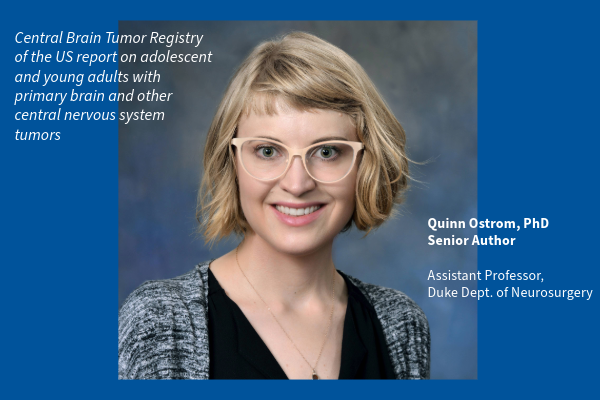
Brain and Central Nervous System Tumors Are Second Most Common Cancer in Adolescents and Young Adults
A new report led by Quinn Ostrom reveals that brain and CNS tumors are the second most common cancer among adolescents and young adults

Overview and Updates in Brain Tumors with Henry Friedman, MD
Sit down with Henry Friedman, MD as he talks through an overview and updates on brain tumors featured on VuMedi.

How Active Can You Be with a Brain Cancer Diagnosis?
How active can you be with a brain cancer diagnosis? Let’s find out! Join us as we explore the connection between physical activity and resilience in the face of a brain cancer diagnosis.
Discover the empowering potential that lies within maintaining an active lifestyle, and learn how individuals can navigate their unique paths with exercise. Keep reading to learn how embracing an active life can unfold for those affected by brain cancer.

What Is Immunotherapy for Cancer?
In recent years, the landscape of cancer treatments has witnessed a groundbreaking shift with the introduction of immunotherapy. This cutting-edge approach harnesses the body's own immune system to combat and conquer cancer cells.
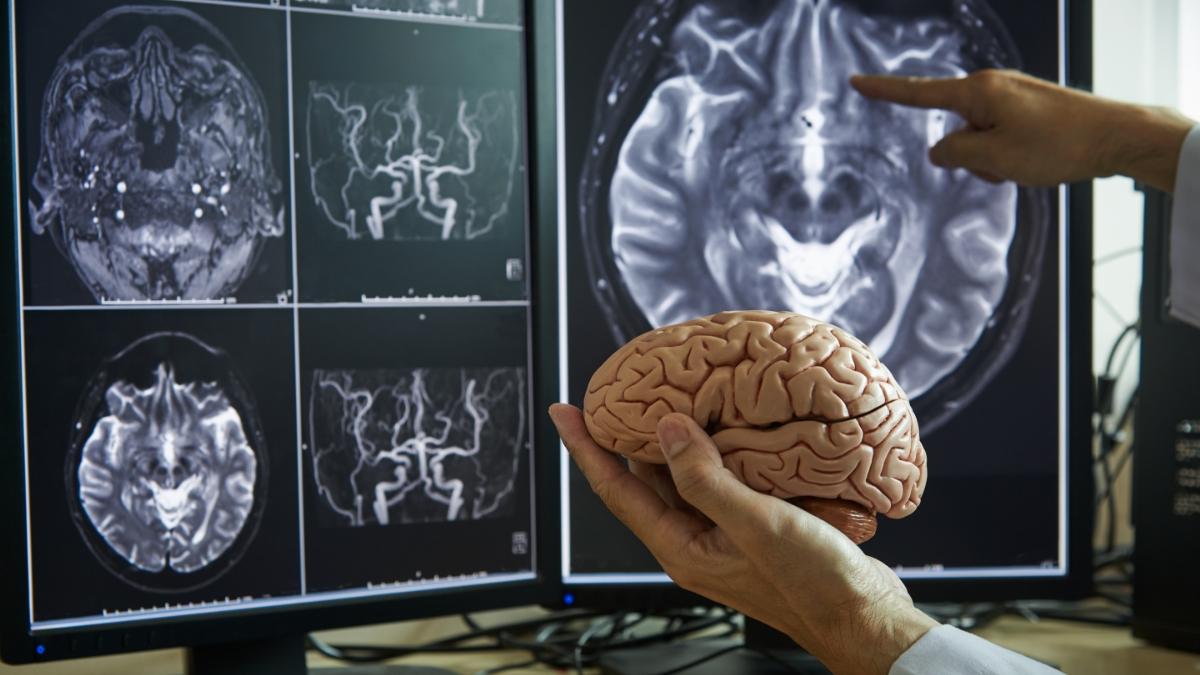
Should You Get a Second Opinion About a Brain Tumor?
Facing the diagnosis of a brain tumor is undeniably overwhelming, and the decision-making process that follows is a critical juncture in your healthcare journey. One question that you may find yourself asking is, "Should you get a second opinion about a brain tumor?". Let’s explore the importance and potential benefits of seeking a second medical opinion when confronted with such a diagnosis.

What Are the Warning Signs of a Brain Tumor in Kids?
The well-being of our children is paramount, and being aware of potential health issues is crucial for early intervention. One such concern, although rare, is the presence of brain tumors in kids. Recognizing the warning signs of pediatric brain cancer can make all the difference in ensuring prompt medical attention and effective treatment.

Can a Child Recover From Brain Cancer?
Navigating the challenging landscape of a child's diagnosis with brain cancer prompts a universal question in the hearts of every parent: "Can my child recover from brain cancer?" When it comes to pediatric brain tumors, there is a wide range of possible scenarios and factors that can greatly influence your child’s chance at recovery.
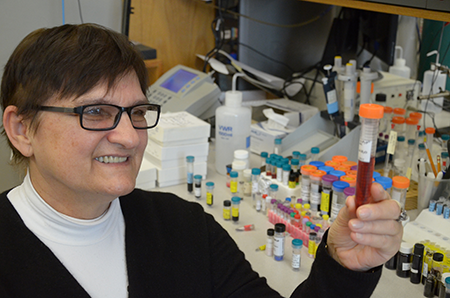
Q&A: Breakthrough Drug BMX-001 and Its Impact on Brain Cancer
Q: What is BMX-001, and how does it work?
A: BMX-001 is a new drug that helps people with brain cancer. It was created by Ines Batinic-Haberle at Duke University. It is inspired by a natural enzyme called superoxide dismutase, which protects us from damage. The drug is special because it is stable, dissolves well in water, and has a positive charge that helps it target the brain.

How Long Can Brain Cancer Go Undetected?
In a world dominated by the hustle and bustle of daily life, health often takes a back seat. We meticulously care for our bodies, but what about the intricate organ that orchestrates it all—the brain? The silent progression of brain cancer raises a crucial question: How long can this go undetected? Keep reading to find out.