
What Is Medulloblastoma? Symptoms, Diagnosis, and Treatment
Reviewed by Preston Robert Tisch Brain Tumor Center Specialists
Medulloblastoma is a cancerous brain tumor that typically develops in the cerebellum, the part of the brain responsible for balance, coordination, and certain aspects of movement. It occurs most often in children, although adults can develop medulloblastoma, too. Because the tumor can obstruct the normal flow of cerebrospinal fluid or spread through the fluid-filled spaces surrounding the brain and spinal cord, recognizing symptoms and completing a thorough diagnostic evaluation are important steps toward treatment.
Medulloblastoma treatment usually begins with surgery when feasible and may include radiation therapy and chemotherapy. The recommended approach depends on the patient's age, tumor location, extent of disease, and the tumor's molecular characteristics. Understanding these differences can help families prepare for discussions with their care team.
Key Takeaways: Medulloblastoma Symptoms, Diagnosis, and Treatment
- What it is: Medulloblastoma is a malignant tumor that develops in the central nervous system, usually in the cerebellum.
- Common symptoms: Headaches, nausea, vomiting, balance problems, difficulty walking, and vision changes can occur.
- How it is diagnosed: Evaluation may include a neurological examination, MRI of the brain and spine, surgical tissue analysis, and testing for molecular features.
- How it is treated: Surgery, radiation therapy, and chemotherapy are common treatment components, but not every patient receives the same combination.
- Why age matters: Treatment for infants and young children may differ from treatment for older children and adults because of the effects of therapy on the developing brain.
- What happens afterward: Follow-up care may include surveillance imaging, rehabilitation, hearing and endocrine assessments, and support for learning and development.
For additional background, see the National Cancer Institute's Medulloblastoma: Diagnosis and Treatment resource.
What Is Medulloblastoma?
Medulloblastoma is a malignant, or cancerous, tumor of the central nervous system. It most commonly forms in the cerebellum, located at the back of the brain near the brainstem. Although it is often described as a childhood brain cancer, it can also occur in adults.
Medulloblastoma is different from other brain tumors because of its location, tendency to spread through cerebrospinal fluid, and distinct biological subgroups. Cerebrospinal fluid, or CSF, cushions the brain and spinal cord. Medulloblastoma cells can travel through this fluid and establish tumor deposits elsewhere in the central nervous system, including along the spinal cord.
This possibility affects how doctors evaluate the tumor after diagnosis. An MRI of the brain alone may not provide all the information needed to understand the extent of the disease.
Is Medulloblastoma Always Cancerous?
Yes. Medulloblastoma is classified as a malignant tumor. However, a diagnosis does not tell the entire story about how a particular tumor may behave or respond to treatment.
Medulloblastomas can be divided into biological and molecular subgroups. These differences can influence how clinicians estimate risk, select treatment, and evaluate the likelihood of recurrence. A patient's age, the extent of the tumor, and whether cancer cells have spread are also important.
This is why two people with medulloblastoma may receive different treatment recommendations even when their diagnoses share the same name.
What Are the Symptoms of Medulloblastoma?
Medulloblastoma symptoms depend on the tumor's size and location, whether it interferes with cerebrospinal fluid circulation, and whether it has spread. Some symptoms develop because the tumor affects the cerebellum; others occur when fluid builds up in the brain, a condition called hydrocephalus.
Possible symptoms include:
- Headaches, particularly in the morning or headaches that become more frequent.
- Nausea and vomiting.
- Difficulty with balance, coordination, or walking.
- Clumsiness or trouble with fine motor movements.
- Blurred or double vision and other changes in eye movement.
- Unusual sleepiness, fatigue, or changes in alertness.
- Weakness or other neurological changes.
When medulloblastoma affects the spinal cord or surrounding structures, symptoms may include back pain, weakness, numbness, or changes in bowel or bladder function.
In infants and young children, signs can be less specific. Parents may notice irritability, feeding difficulties, developmental delays, loss of previously acquired skills, or an increase in head circumference.
Why Can Medulloblastoma Cause Headaches and Vomiting?
The tumor can obstruct the normal circulation of cerebrospinal fluid, causing fluid to accumulate and increase pressure inside the skull. This is known as hydrocephalus. Increased pressure can contribute to headaches, nausea, vomiting, vision changes, and changes in alertness.
Not everyone with medulloblastoma develops hydrocephalus. Some patients initially experience symptoms related to the cerebellum, such as unsteadiness or impaired coordination, without the more familiar pattern of pressure-related symptoms.
A persistent or worsening combination of neurological symptoms deserves medical evaluation. These symptoms can have many causes and do not automatically indicate a brain tumor. Sudden severe headache, rapidly worsening symptoms, new seizures, or difficulty staying awake require urgent medical attention.
Do Medulloblastoma Symptoms Differ Between Children and Adults?
The underlying tumor can cause similar neurological problems in children and adults, but the way symptoms appear and affect daily life may differ.
A school-age child might begin stumbling, struggling with handwriting, or having repeated morning headaches. A younger child may show changes in feeding, behavior, or developmental progress rather than being able to describe a headache or vision problem.
Adults may notice new balance difficulties, persistent headaches, nausea, or changes in coordination. Because medulloblastoma is less common in adults, symptoms should be assessed based on a person's complete clinical picture rather than assumed to indicate a specific diagnosis.
For families learning about neurological symptoms in children, Duke's related resource, Warning Signs of a Brain Tumor in Kids, provides broader context about signs that warrant evaluation.
How Is Medulloblastoma Diagnosed?
Diagnosing medulloblastoma involves more than identifying an abnormality on a scan. Clinicians need to determine whether the finding is a tumor, establish its exact type, assess whether it has spread, and identify characteristics that may influence treatment.
The diagnostic process commonly includes a neurological examination, imaging, surgical tissue analysis, and additional testing when appropriate.
1. Neurological Examination and Medical History
A clinician may ask when symptoms began, whether they are becoming more frequent, and how they affect walking, balance, vision, coordination, or daily activities. The examination may assess strength, reflexes, coordination, eye movements, and other neurological functions.
This information helps guide the next steps, but an examination alone cannot confirm medulloblastoma.
2. MRI of the Brain and Spine
Magnetic resonance imaging (MRI) produces detailed images of the brain and spinal cord. It can help clinicians identify the tumor's location, evaluate its relationship to nearby structures, and look for possible signs of disease elsewhere in the central nervous system.
Because medulloblastoma can spread through cerebrospinal fluid, evaluation may include MRI of both the brain and spine. The timing and specific imaging protocol depend on the patient's condition and the clinical team’s recommendations.
The National Cancer Institute's childhood medulloblastoma treatment guidance describes imaging and other tests used in diagnosis and treatment planning.
3. Surgery and Tumor Tissue Analysis
When appropriate, surgery serves two important purposes: removing as much of the tumor as can be safely removed and obtaining tissue for diagnosis.
A pathologist examines the tissue to identify the tumor type and relevant features. The goal is not simply to remove the largest possible amount of tumor; the surgical plan must also account for the risks of injury to important neurological structures.
The extent of safe removal can influence subsequent treatment planning. The care team considers surgical findings alongside imaging, pathology, and other test results.
4. Molecular Testing and Disease Assessment
Medulloblastoma is not one biologically uniform disease. Molecular testing can help classify the tumor into a subgroup and provide information relevant to risk assessment and treatment planning.
Clinicians also evaluate whether the disease has spread within the central nervous system. This may involve additional imaging and, when appropriate and safe, testing cerebrospinal fluid for tumor cells.
The combined results help the team determine the patient's risk category and recommend an individualized treatment plan. Families can ask which molecular subgroup was identified, what the results mean, and how those findings affect treatment options.
How Is Medulloblastoma Treated?
Medulloblastoma treatment commonly combines surgery with one or more additional therapies. The exact plan varies according to age, molecular subgroup, extent of surgical removal, evidence of spread, overall health, and other clinical factors.
Treatment may involve:
- Surgery: To obtain tissue for diagnosis and remove as much of the tumor as can be safely removed.
- Radiation therapy: To treat remaining cancer cells and, when indicated, areas of the brain and spinal cord at risk for disease.
- Chemotherapy: To treat cancer cells and reduce the risk of recurrence, often in combination with radiation therapy.
- Clinical trials: To evaluate new treatment approaches for eligible patients.
Treatment recommendations for adults may differ; the NCI also provides information about adult central nervous system tumors.
Surgery: Removing the Tumor Safely
Surgery is often the first major treatment step when a medulloblastoma can be approached safely. The neurosurgical team aims to obtain tissue for diagnosis and remove as much tumor as possible without causing unacceptable harm to surrounding structures.
The tumor's position near the brainstem and other important structures can affect what is safely achievable. Some patients may have neurological symptoms before surgery, while others may experience new challenges during recovery.
After surgery, the team reviews the pathology and imaging results to determine the next steps. Surgery alone is generally not the complete treatment plan for medulloblastoma.
Radiation Therapy: Treating Areas at Risk
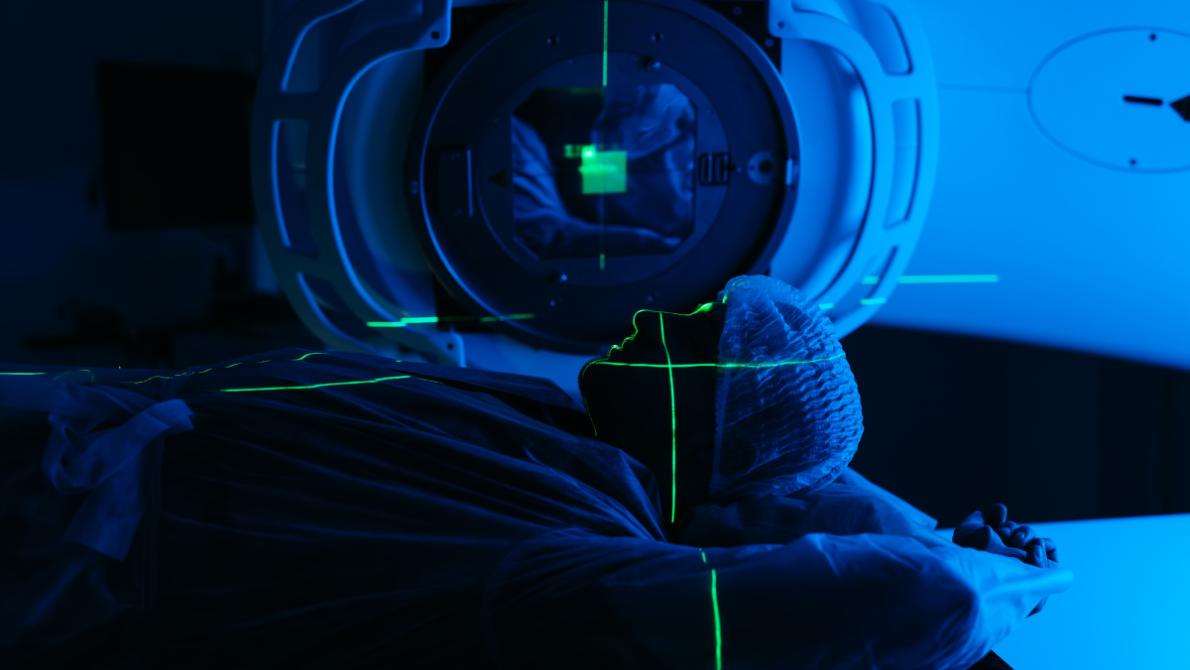
Radiation therapy may be used to treat residual disease and areas where medulloblastoma cells could be present. Depending on the patient's circumstances, treatment may involve the brain and spinal cord, followed by a more focused treatment area.
Radiation recommendations require particular care in younger children because the developing brain is vulnerable to treatment-related effects. For some very young patients, clinicians may use treatment approaches designed to delay or avoid radiation when appropriate, balancing those considerations against the need to control the tumor.
Age, disease extent, tumor biology, and the complete treatment plan determine whether radiation is recommended and how it is delivered.
Chemotherapy: Treating Cancer Cells Throughout the Treatment Course
Chemotherapy uses medications to kill cancer cells or limit their growth. It is commonly included in medulloblastoma treatment, often alongside radiation therapy or following it.
The medications, doses, and timing depend on the patient's age, risk category, prior treatment, and overall condition. In some young children, chemotherapy-based approaches may be used to delay radiation therapy because of concerns about its effects on brain development.
Families should ask the treatment team what each medication is intended to do, what side effects to monitor, and how treatment may affect school, sleep, appetite, hearing, and daily activities.
Why Treatment Is Different for Younger Children
Treatment decisions for infants and very young children involve a difficult balance: controlling the tumor while protecting the developing brain and other growing systems.
Radiation can have lasting effects on cognition, learning, growth, and hormone function. For this reason, some treatment protocols for younger children seek to delay or omit radiation in selected circumstances, using approaches that may include surgery and chemotherapy.
These approaches are not suitable for every patient. Tumor subtype, whether disease has spread, the extent of removal, and other individual findings all matter. Families should ask the care team to explain why a particular plan is recommended for their child's age and tumor characteristics.
What Happens After Medulloblastoma Treatment?
Completing treatment is an important milestone, but follow-up care remains essential. The care team monitors for signs of recurrence and evaluates potential effects of the tumor and treatment on neurological function, physical health, learning, and development.
Follow-up may include:
- MRI scans on a schedule determined by the treating team.
- Neurological examinations and assessments of symptoms.
- Physical, occupational, or speech-language therapy when needed.
- Hearing and endocrine evaluations, depending on treatment exposures.
- Neuropsychological assessments and support for learning or school accommodations.
- Emotional support for patients, parents, siblings, and caregivers.
The specific follow-up plan depends on the patient's treatment and needs. Some effects may become more apparent as a child grows and encounters new developmental or academic demands. A child who returns to school, for example, may need support with attention, processing speed, fatigue, or coordination even after the immediate treatment period has ended.
Families can ask which specialists will oversee long-term follow-up, what symptoms should prompt a call, and how medical information will be shared with school or rehabilitation providers when appropriate.
Can Medulloblastoma Come Back?
Yes. Medulloblastoma can recur after treatment, which is one reason surveillance and follow-up are important. Recurrence may occur at the original tumor site or elsewhere in the central nervous system.
The risk is not the same for everyone. It depends on factors such as tumor biology, the extent of disease at diagnosis, treatment received, and the patient's response. New symptoms do not necessarily mean the tumor has returned, but persistent or concerning changes should be discussed with the care team.
If recurrence is suspected, clinicians may recommend imaging and, in selected cases, additional testing or tissue analysis. Treatment options depend on previous therapies, the location and extent of recurrence, and the patient's overall condition. Clinical trials may be worth discussing when appropriate.
For families navigating treatment decisions, Duke's Pediatric Clinical Trials program explains how studies are considered for children and why eligibility depends on individual circumstances.
Questions to Ask the Medulloblastoma Care Team
A diagnosis can bring many unfamiliar terms and time-sensitive decisions. These questions can help patients and families understand the information that will guide the treatment plan:
- Where is the tumor located, and is there evidence that it has spread?
- What did the pathology report show, including the molecular subgroup?
- How much of the tumor could be safely removed?
- Why are surgery, radiation therapy, and chemotherapy recommended in this particular sequence?
- How does the patient's age affect the treatment plan and possible long-term effects?
- What symptoms or treatment side effects should prompt an urgent call?
- What rehabilitation, hearing, hormone, cognitive, or school supports might be needed?
- Are there clinical trials that may be appropriate now or if the disease returns?
- What will the follow-up schedule look like after treatment ends?
Patients and caregivers can also ask the team to explain unfamiliar terms in the pathology report and identify which results are most important for the next decision. Understanding the reasoning behind the treatment plan can make it easier to participate in care discussions.
Medulloblastoma Care at Duke's Preston Robert Tisch Brain Tumor Center
Medulloblastoma care can involve neurosurgery, pediatric neuro-oncology, radiation oncology, diagnostic specialists, rehabilitation, and supportive services. Coordinating these perspectives is especially important when treatment must address both cancer control and the long-term needs of a growing child.
Duke's Pediatric Neuro-Oncology Program provides specialized care for children with brain and spinal cord tumors. Families can also learn about the clinicians involved through the Pediatric Team directory and explore the center's pediatric clinical trials.
The right treatment plan depends on the individual diagnosis, test results, and clinical circumstances. A specialist can help explain the available options, expected next steps, potential side effects, and follow-up needs.
FAQs: What Is Medulloblastoma?
What is the first symptom of medulloblastoma?
There is no single first symptom that occurs in everyone with medulloblastoma. Some patients develop headaches, nausea, or vomiting related to increased pressure in the skull, while others first experience balance problems, difficulty walking, or coordination changes. Symptoms depend on tumor location, growth, and whether cerebrospinal fluid circulation is affected. Persistent or worsening neurological symptoms should be evaluated by a healthcare professional.
Is medulloblastoma curable?
Some patients achieve long-term disease control after treatment, but the likelihood varies with tumor biology, age, disease extent, and response to therapy. Treatment commonly involves surgery and may include radiation therapy and chemotherapy. No single outcome applies to every medulloblastoma diagnosis, so the care team is best positioned to explain an individual's risk factors and prognosis. Follow-up remains important even after treatment is completed.
Can adults develop medulloblastoma?
Yes. Although medulloblastoma occurs most often in children, adults can develop it as well. The diagnostic process also involves imaging and analysis of tumor tissue, while treatment is tailored to the person's age, tumor characteristics, and disease extent. The treatment plan for an adult may differ from a child's plan, so age-specific specialist guidance is important.
Does medulloblastoma spread to the spine?
Medulloblastoma can spread through cerebrospinal fluid to other parts of the central nervous system, including the spinal cord and the tissues surrounding it. This is why diagnostic evaluation may include MRI of both the brain and spine and, when appropriate, testing cerebrospinal fluid. Evidence of spread helps clinicians assess risk and plan treatment. The care team can explain what the imaging and other test results mean for an individual patient.
What happens after medulloblastoma surgery?
After surgery, the medical team reviews the tissue diagnosis, imaging, and other test results to determine whether radiation therapy, chemotherapy, or additional treatment is recommended. Recovery may involve monitoring for neurological changes and managing symptoms, followed by rehabilitation when needed. The longer-term plan may include surveillance scans and assessments of hearing, hormone function, learning, and development. The timing and type of follow-up depend on the individual patient's treatment and needs.
Are clinical trials available for medulloblastoma?
Clinical trials may be available for some patients, depending on age, tumor subtype, disease status, previous treatment, and the requirements of a particular study. A trial may evaluate a new therapy or a different way of delivering established treatments, but eligibility and potential benefits vary. Patients and families can ask their care team whether a study is appropriate and discuss its possible risks, benefits, and alternatives.